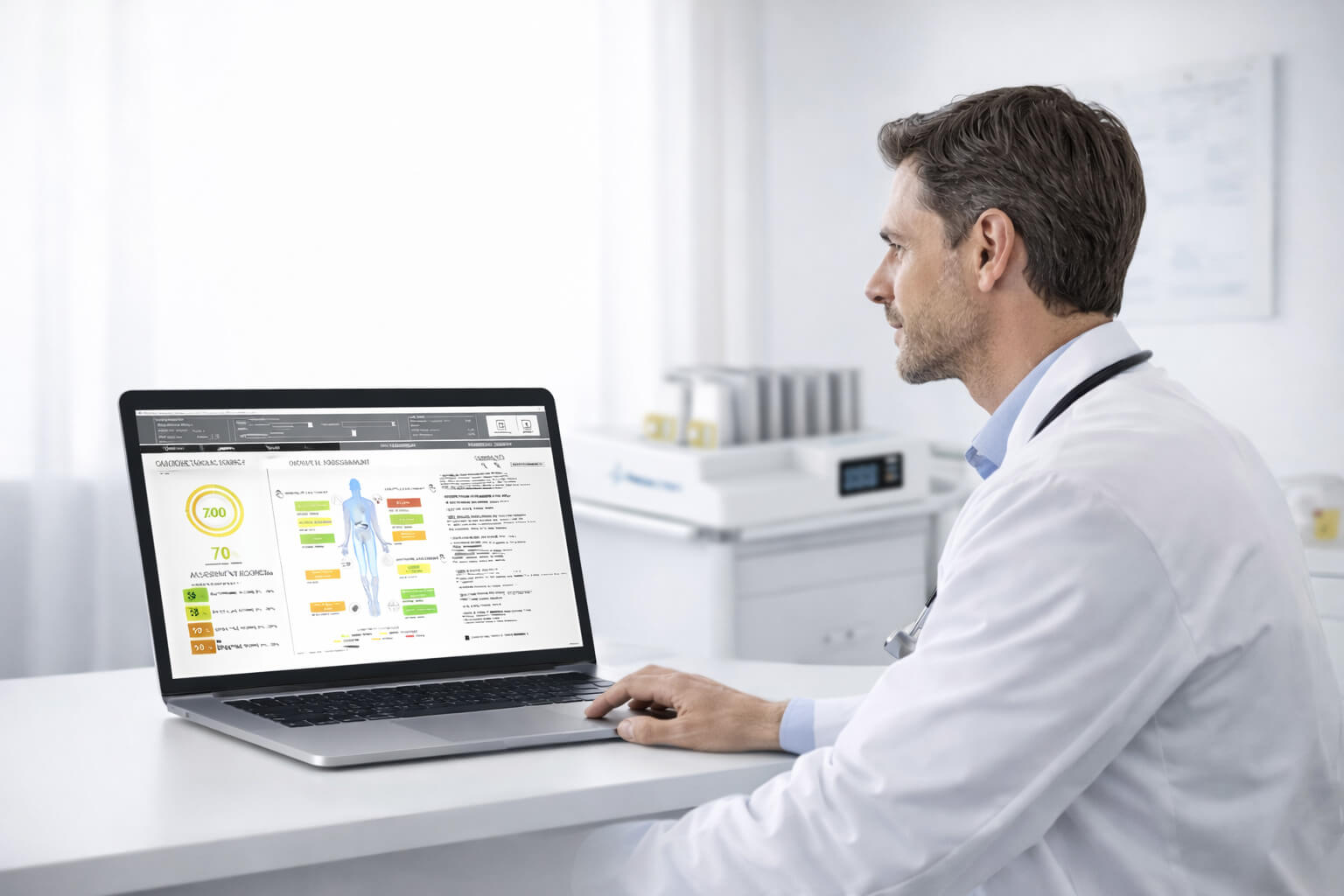
Comprehensive vascular assessment forms a foundation for long-term health management, helping to monitor changes in circulation and vascular function over time. This preventive vascular screening evaluates arterial function, blood flow, and overall vascular integrity, providing useful insights that support general wellness. Integrating these assessments into routine preventive health screening can strengthen proactive health strategies and support overall circulatory well-being.
Preventive health screening, including vascular evaluation, has become a key component of longevity-focused programs. Insights from vascular assessments can inform lifestyle and wellness decisions to support healthy circulation. Employee wellness programs may also benefit from these evaluations, promoting workforce wellness and supporting population-level health awareness.
Importance of Comprehensive Vascular Evaluation
Vascular assessment provides a detailed overview of the circulatory system, including arteries, veins, and microvascular networks. Non-invasive imaging and flow measurement techniques produce data that track changes in circulation over time. These evaluations can offer useful insights for overall wellness. Information from assessments can support informed choices about lifestyle and daily activities.
Tracking vascular patterns over time helps individuals stay aware of their general wellness. Insights from assessments may encourage adjustments in lifestyle, activity, or monitoring routines to promote healthy habits. Regular evaluations provide a way to observe trends and maintain overall wellness. Periodic assessments support awareness of circulation and wellness patterns.
Integrating vascular assessment into preventive health programs encourages a structured approach to long-term well-being. Evaluations can help identify areas where lifestyle or wellness adjustments might be considered. Ongoing monitoring allows individuals to observe trends over time and make informed choices about their wellness routines.
Vascular Screening Supports Long-Term Wellness
Vascular health screening provides meaningful insights that support overall wellness. Regular assessments help individuals understand circulatory trends and may encourage healthy lifestyle adjustments. These assessments provide information that can inform wellness strategies, including lifestyle choices and activity planning. Regular monitoring supports awareness of personal habits and can help track overall progress over time. Structured evaluations contribute to informed wellness planning and general well-being.
Benefits of Preventive Vascular Screening
- Improved engagement with wellness programs and preventive routines
- Information to guide lifestyle adjustments and routine circulation monitoring
- Better understanding of personal circulatory patterns over time
These insights support overall wellness planning and encourage informed personal choices. Regular evaluations allow individuals to observe trends and make adjustments to wellness strategies as appropriate. Systematic assessments promote consistent attention to preventive health practices.
Integration into Preventive Health Programs
Vascular assessment serves as a core element of preventive health programs, offering insights into circulatory patterns and general wellness. Screening results provide information that can inform wellness strategies, including exercise planning, nutritional considerations, and lifestyle choices. These assessments can highlight areas for potential attention and awareness. Integrating these evaluations into routine programs supports overall health planning and encourages consistent engagement. Regular monitoring helps individuals maintain awareness of wellness trends over time.
Employee health screening initiatives may also benefit from comprehensive vascular evaluations. These programs can support workforce wellness, encourage ongoing engagement with preventive practices, and foster a culture focused on general health awareness. Tracking trends over time enables organizations to refine wellness programs based on observed patterns. Embedding vascular assessment within employee wellness initiatives promotes a structured approach to ongoing wellness efforts. Overall, this supports more consistent participation and awareness of healthy habits.
Planning Effective Circulatory Health Screening Programs
- Selection of validated, non-invasive assessment tools supports reliable observations.
- Screening intervals aligned with individual risk profiles may improve program relevance.
- Integration into electronic health systems enables tracking of trends over time.
- Methodical implementation helps ensure that assessment insights inform wellness planning.
Combining these evaluations with population-level tracking can help programs support awareness and engagement for both individuals and organizations. Clear protocols promote consistent application of screening information over time. Ongoing monitoring can help refine wellness strategies and maintain participation. These practices encourage informed wellness planning and support long-term attention to circulatory health.
Preventive Care Efficiency Through Vascular Assessment
Comprehensive vascular assessment provides value beyond individual wellness insights, supporting the efficiency of preventive health programs. Screening results can help guide attention to general wellness trends, allowing resources to be used more effectively. Programs can become more structured, reducing duplication of effort and supporting overall workflow management. These evaluations contribute to smoother operations and better organization of preventive initiatives.
Advanced assessment technologies support scalable preventive programs that accommodate larger groups while maintaining consistent monitoring. Observed trends may help prioritize areas for awareness, without compromising overall program efficiency. Streamlined processes allow for consistent evaluation across multiple participants or facilities. Operational efficiency supports the delivery of wellness programs and encourages ongoing engagement.
Data from vascular evaluations can inform wellness programs and assist organizations in promoting engagement and educational initiatives. Metrics collected over time provide insights that may support planning for wellness programs and preventive initiatives. Periodic monitoring of trends can guide adjustments to wellness activities and engagement approaches. Organized tracking encourages structured approaches to ongoing wellness planning and program organization.
Emerging Trends in Preventive Circulatory Assessment
Vascular assessment plays a key role in preventive wellness programs, providing insights that can support planning for general wellness. Routine evaluations help track circulation patterns and provide information that may guide personal wellness awareness. Structured assessments encourage engagement with wellness strategies and support overall health awareness. Incorporating these evaluations into ongoing health programs aligns with best practices in preventive care and data-informed planning.
Technological advancements, such as AI-supported imaging tools and wearable monitoring devices, enhance the accessibility and consistency of vascular assessments. Continuous tracking of circulation patterns provides helpful information that may guide wellness strategies over time. These tools support ongoing awareness and planning for personal wellness. Emerging technologies make preventive assessment more efficient and scalable across diverse populations.
Future preventive strategies emphasize a holistic approach that combines vascular assessment with lifestyle guidance, educational programs, and wellness monitoring. Integrating multiple preventive strategies can help individuals maintain engagement with wellness routines and structured programs. Coordinated approaches encourage consistent participation in wellness activities. Combining these strategies supports awareness of healthy habits and overall well-being over time.