A vascular wellness program supports clinic success by promoting proactive circulatory health awareness. Structured vascular assessments provide insights into general blood flow patterns and vascular function. Clinics offering these programs can enhance patient engagement, optimize operational efficiency, and support preventive wellness initiatives. Embedding these strategies into routine workflows positions clinics to provide structured, data-informed wellness support while encouraging long-term healthy habits.
Implementing a vascular wellness program complements routine checkups by offering additional wellness insights. By combining screening with general education and lifestyle guidance, clinics help patients make informed choices that support overall well-being. Integrating these preventive strategies into standard protocols positions clinics to provide structured, wellness-focused care aligned with contemporary health trends.
Understanding Vascular Wellness Programs
A vascular wellness program functions as a structured framework to support general circulatory wellness awareness. It includes assessments that provide information about blood flow patterns and overall vascular health. Insights from these assessments can help clinics offer educational guidance and encourage healthy lifestyle choices.
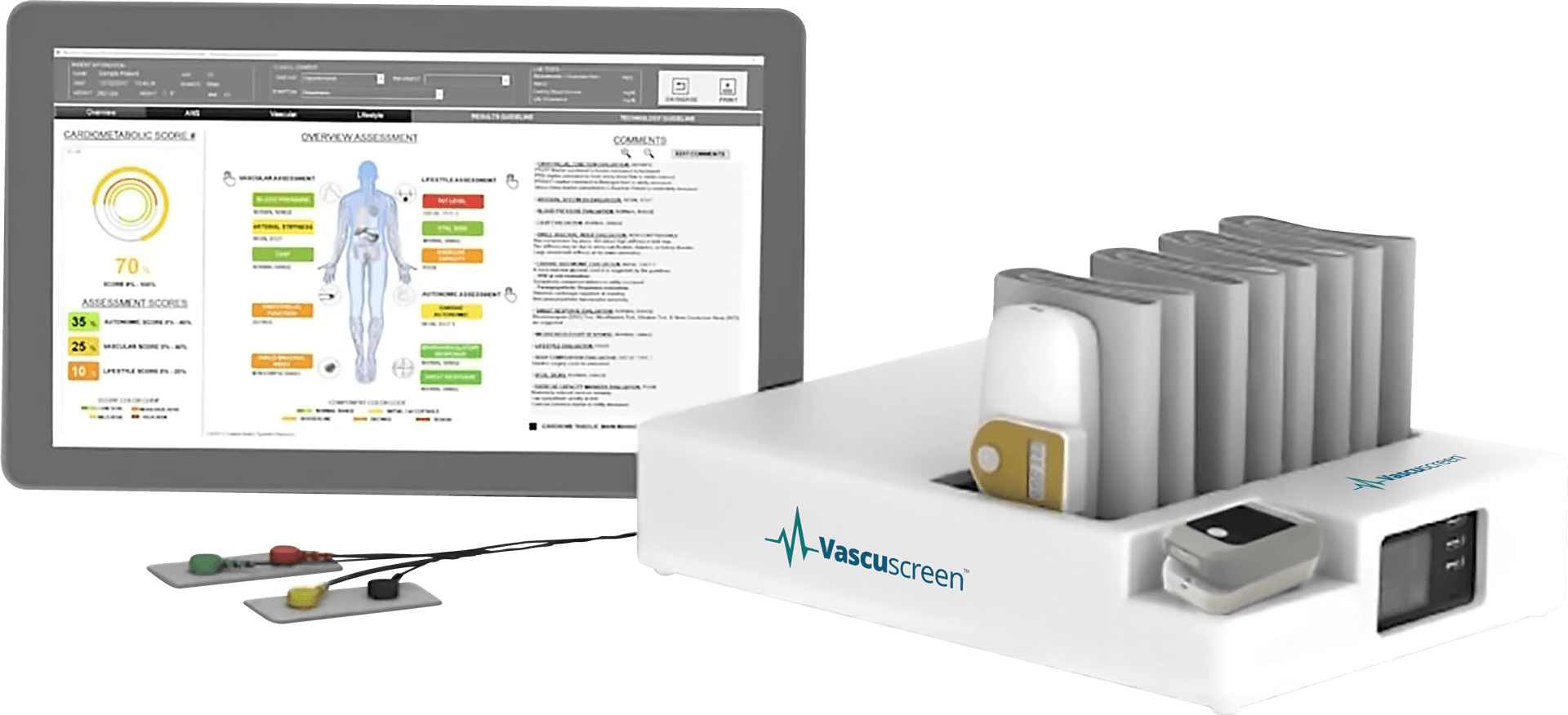
These programs may use tools such as duplex ultrasound, ankle-brachial index testing, and other non-invasive measurements. Technologies help track changes over time and support patient education or wellness guidance. Integrating these assessments supports continuity of engagement and encourages proactive participation in personal wellness.
Education and follow-up are key components of program engagement. Patients receive clear explanations of assessment findings and general recommendations for healthy habits. Understanding this information encourages adherence to wellness practices, supporting long-term lifestyle awareness and healthy routines.
Benefits of Preventive Vascular Screening
Structured vascular screening within a wellness program delivers both programmatic and operational benefits. Assessments can provide insights that help clinics support overall wellness awareness and informed discussions with patients. Programs integrate results into wellness guidance for timely, educational engagement. Regular screening supports preventive awareness and encourages participation in healthy habits.
Early Risk Identification
Helps identify patients who may benefit from additional health evaluation or educational resources.
Improved Patient Outcomes
Supports awareness of general circulatory patterns and promotes discussion of lifestyle considerations with qualified healthcare providers.
Data-Driven Care Plans
Provides information to support personalized wellness recommendations and lifestyle planning.
Preventive vascular screening also improves operational efficiency. Clinics can prioritize patient engagement, integrate findings into electronic health records, and streamline follow-up communications. This structured approach supports wellness initiatives and helps clinics organize resources effectively.
Regular preventive screening contributes to broader wellness objectives. Systematic evaluation enables clinics to focus on patient engagement and program organization. Clinics participate in health promotion initiatives that encourage healthy lifestyle habits. Preventive programs reinforce long-term wellness support and operational effectiveness.
Operational Strategies for Clinic Success
Optimizing a vascular wellness program requires careful planning and integration into clinic workflows. Clear strategies improve efficiency, patient participation, and program effectiveness. Programs succeed when staff, processes, and technology align with wellness support goals. Consistent monitoring ensures programs remain effective and sustainable.
Staff Training
Ensure clinicians and technicians achieve proficiency in assessment procedures and program protocols.
Workflow Integration
Incorporate screening protocols into routine appointments to minimize disruptions and encourage patient participation.
Technology Utilization
Use appropriate tools and analytics to support workflow efficiency and structured data collection.
Strong documentation and follow-up processes strengthen program effectiveness. Maintaining organized patient records and scheduling periodic reassessments allows clinics to monitor participation and refine program processes. Measuring program metrics demonstrates the value of wellness strategies and supports continuous improvement.
Patient communication systems enhance engagement and participation. Automated reminders and notifications keep patients informed and encourage involvement. Streamlined, transparent processes make ongoing engagement simple and effective. Patients benefit from clear guidance when the program supports healthy lifestyle habits.
Employee Health Screening as a Preventive Tool
Embedding employee health screening programs with vascular assessments supports workforce wellness awareness and clinic operations. Regular evaluations provide general insights that encourage staff engagement in wellness practices and support organizational efficiency. Clinics gain information to guide wellness initiatives and operational planning. Screening programs contribute to workplace wellness efforts and encourage healthy lifestyle habits.
Components of effective employee screening include:
Baseline Wellness Assessments
Collect general information on blood pressure, circulation patterns, and overall wellness indicators.
Wellness Reports
Share educational summaries to support lifestyle and workplace well-being considerations.
Confidentiality Protocols
Maintain trust, privacy, and compliance with relevant regulations.
Workplace wellness programs combined with education enhance engagement. Staff receive guidance to support healthy routines and lifestyle awareness. Aggregated program data informs wellness planning, tracks participation, and supports overall program effectiveness. These programs encourage positive wellness practices while supporting organizational productivity and workforce engagement.
Financial and Strategic Implications
Investing in a vascular wellness program may support operational and strategic objectives. Program insights can help guide general wellness discussions and educational engagement. Wellness initiatives paired with patient education encourage participation and demonstrate a commitment to supportive care. Clinics can track program participation and engagement metrics while promoting wellness awareness.
Program data helps optimize services and design targeted wellness offerings. Monitoring participation and engagement identifies trends and informs resource allocation. Clinics can adjust strategies based on program insights. Data-informed decisions enhance operational efficiency and patient experience.
Positioning a clinic as a leader in wellness initiatives supports reputation and builds trust. Structured wellness programs showcase organized expertise and support sustainable growth. Clinics achieve long-term operational stability while encouraging positive wellness practices.
Implementing a Continuous Improvement Framework
Monitor Key Performance Indicators
Track metrics such as screening participation rates, engagement levels, and patient feedback. Regular measurement provides insight into program implementation. Clinics can identify trends, highlight areas for improvement, and ensure wellness objectives are supported. Consistent monitoring supports data-informed decisions.
Conduct Regular Review Sessions
Staff evaluate workflows, identify bottlenecks, and implement best practices. Frequent assessments allow timely adjustments to maintain program efficiency. Reviewing processes ensures the program aligns with operational goals. Staff engagement strengthens overall program performance.
Benchmark Against Industry Standards
Compare program metrics to operational and wellness benchmarks. Benchmarking maintains competitiveness and supports alignment with current best practices. It highlights areas for improvement and reinforces program credibility. Clinics can adapt strategies to align with effective wellness initiatives.
Commit to Continuous Improvement
Maintain focus on enhancing program participation and operational efficiency. Clinics evolve programs to reflect emerging technologies and organizational priorities. Ongoing improvement strengthens the long-term value of a vascular wellness program. Establishing a culture of proactive engagement ensures sustained program success.
Advanced Preventive Health Assessments
Integrating advanced preventive screening techniques supports wellness awareness and engagement. Assessments such as coronary calcium scoring, carotid imaging, and microvascular evaluations provide informative insights for general wellness. Combining multiple assessment approaches allows clinics to offer structured wellness guidance. Structured assessments promote proactive wellness support and encourage healthy habits.
Wellness evaluation tools convert collected data into informational insights. Clinics can highlight trends, organize educational efforts, and track participation over time. This approach helps programs remain organized and patient-focused. Insights inform ongoing wellness guidance and resource planning.
Patient education supports program engagement. Understanding personal assessment information may encourage patients to discuss lifestyle considerations with their healthcare provider. Informed patients are more likely to engage with wellness practices. Education strengthens engagement and supports sustained participation in wellness initiatives.
Strengthening Vascular Care in Clinical Practice
A well-structured vascular wellness program supports general wellness initiatives by offering organized screening, educational engagement, and ongoing program tracking. Clinics that implement structured vascular screening initiatives can enhance operational efficiency, support informed patient participation, and provide insights to guide wellness activities. Embedding these strategies into routine care establishes a proactive, data-informed approach to vascular wellness.
Vascuscreen provides expertise in designing, implementing, and managing comprehensive wellness programs. By integrating structured workflows with organized data collection, Vascuscreen enables clinics to deliver scalable, compliant screening solutions that support long-term practice growth while encouraging patient engagement and operational effectiveness.